
The Integrity of Metric Research.
At Seoul Metric Research, data is not just a commodity; it is a responsibility. Our laboratory operates under a strict ethical framework designed to eliminate bias, protect participant privacy, and ensure that every analytical output is a direct reflection of empirical reality.
Absolute Analytical Impartiality
Independence is the prerequisite for accuracy. Our lab remains strictly independent of the entities we measure. We do not accept funding or partnerships that stipulate predetermined outcomes. Our internal "Blind-Metric" protocol ensures that data processing and interpretation are separated from client-side expectations to prevent confirmation bias in our final reports.
Data Privacy & Sovereignty
We adhere to the highest international standards of data protection. In every project involving human-centric metrics, we employ advanced anonymization techniques that go beyond simple de-identification. We treat data sets as temporary assets; once the research purpose is fulfilled, data is securely purged or returned to the client, ensuring zero residual risk for sensitive information.
Conflict of Interest Mitigation
All researchers at Seoul Metric Research are required to undergo a semi-annual disclosure process. We screen for financial, institutional, or personal ties that could potentially influence the integrity of our analytics. If a conflict is identified, the individual is recused from the project, and an independent internal auditor reviews the data workflow.
Methodological Transparency
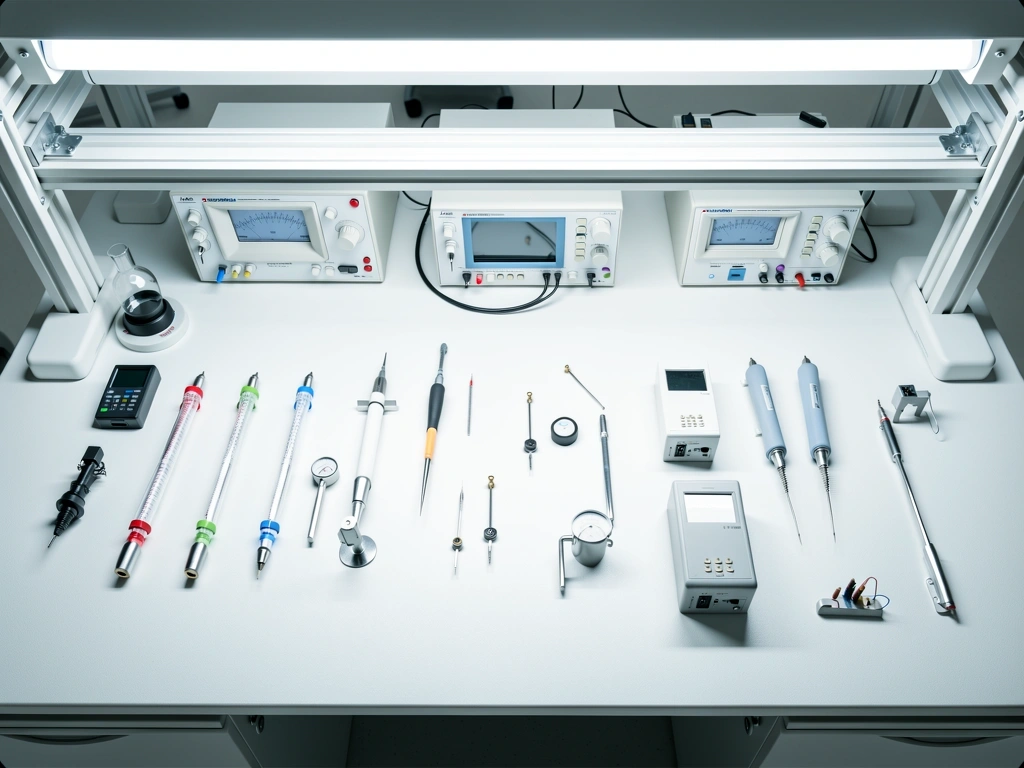
Ethics in research is more than a policy; it is visible in our methods. We provide our clients with a "Methodology Appendix" for every study, detailing exactly how metrics were calculated, which variables were excluded, and the statistical confidence intervals applied.
- Open-source validation for proprietary algorithms.
- Reproducibility trials for all large-scale predictive models.
- Rigorous peer-review cycles for high-impact commercial data.
1. Transparency in Global Data Collection
When conducting cross-border metric research, we respect local legal jurisdictions while maintaining a global baseline of ethics that often exceeds regional requirements. This includes strict adherence to GDPR in European operations and APPI in our Japanese engagements. Every data source used in our analytics is vetted for its collection ethics before it enters our systems.
We explicitly reject the use of "shadow data" or information gathered via deceptive means. Transparency with the end-subject is paramount, ensuring that consent is never an afterthought.
2. Algorithmic Accountability
In an era of automated decision-making, we take full responsibility for the logic driving our analytics. We conduct bias audits on all machine learning models used in our research to ensure they do not perpetuate socioeconomic or demographic disparities.
If a specific metric is found to be skewed by flawed input data, we disclose this immediately to stakeholders rather than masking the variance. Accuracy is valued above perfection.
3. External Oversight
Seoul Metric Research voluntarily participates in third-party audits of our ethical protocols. We believe that an internal commitment is only truly valid when it is subject to external scrutiny. We publish an annual Ethics Summary that outlines our adherence to these standards without compromising our clients' proprietary data.

Review Process
All research projects exceeding a specific scale (over 10,000 data points) undergo a mandatory Ethics Review Board (ERB) clearance before the final report is authorized for release.
Our Commitment is Fixed.
If you have questions about our ethical standards, or if you wish to learn more about how we protect the data integrity of our metric research, our compliance team is available for consultation.